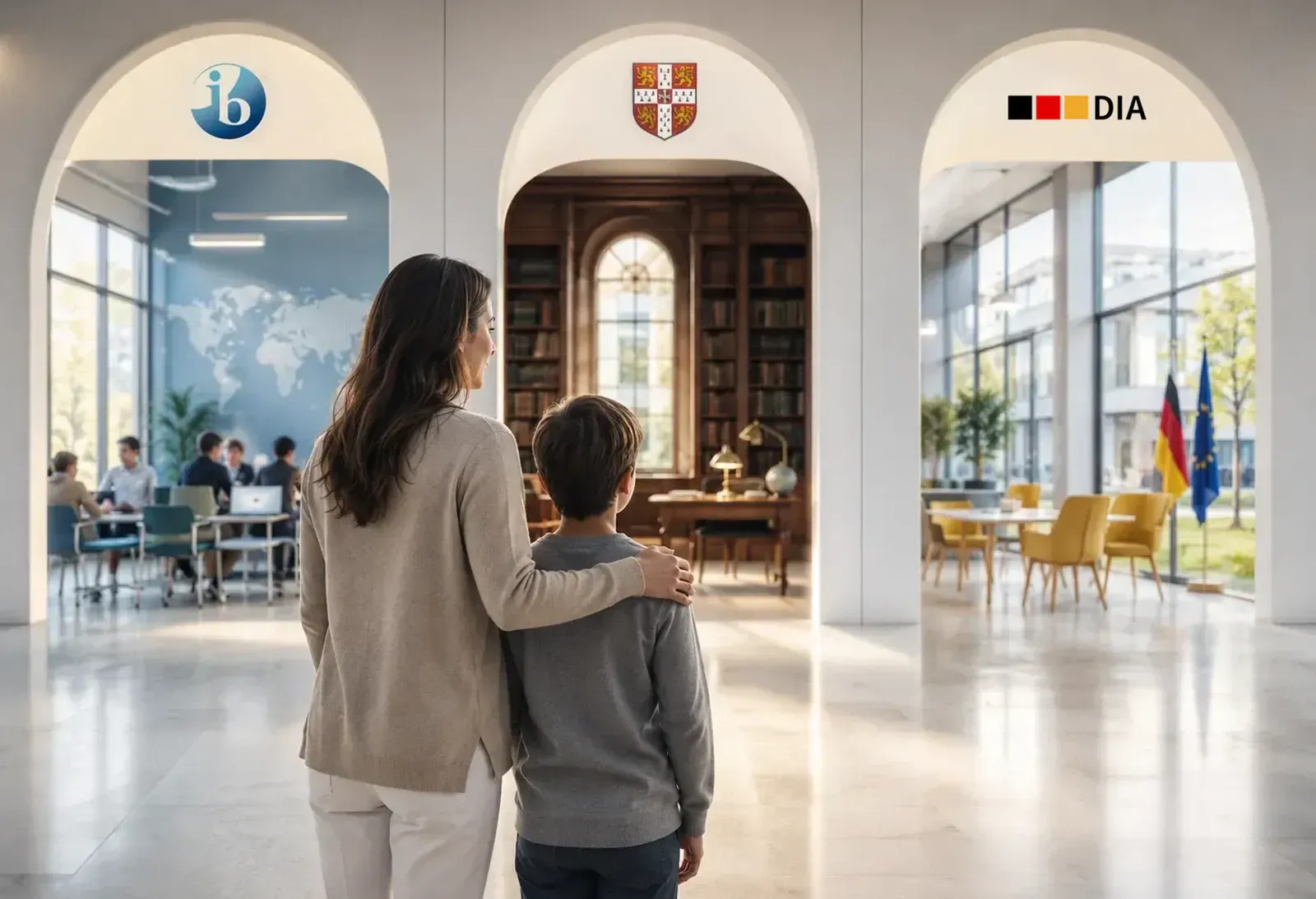
The Benefits of Multilingual Education for Children
Published:
Updated:
September 29, 2025
Why Multilingual Education Matters
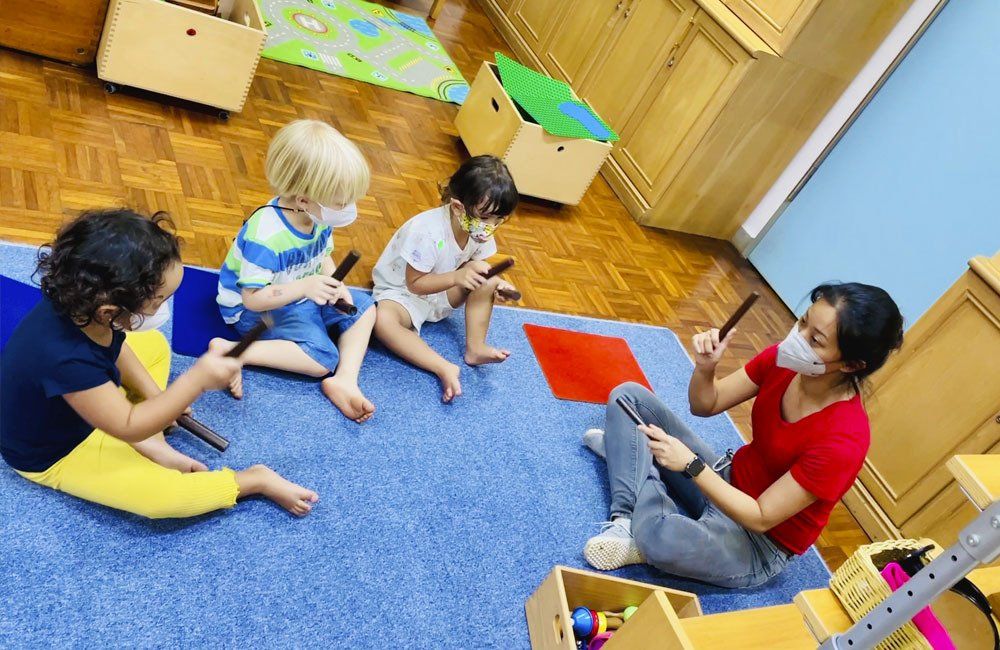
Children absorb languages more easily than adults often realize. By the time they reach preschool, many are already juggling words and songs in two or more languages without even trying. Some parents worry that this might confuse them, but research shows the opposite: early exposure makes the brain more flexible, not less.
How young minds absorb multiple languages: At an early age, the brain is like a high-speed sponge, soaking up sounds, meanings, and patterns with little effort. This “golden window” makes it possible for children to learn new language skills, even two or three in parallel, through play, songs, and daily interaction, rather than memorization. Parents often ask what is the best way to learn a new language; for children, the answer is simple: play, routine, and meaningful use.
Language, identity, and confidence: Every language a child learns becomes a new way to express themselves. Switching between them isn’t a mistake, it’s a superpower. Multilingual children tend to develop a stronger sense of belonging, emotional flexibility, and the confidence to make themselves heard.
Daily life in a multilingual classroom: Structure makes all the difference. When each teacher sticks to one language, and when subjects are clearly tied to specific languages, children quickly learn when and how to use the right one. Add songs, games, and stories, and three languages become part of everyday life, not an extra burden.
Long-term benefits beyond fluency: Trilingual kids don’t just gain extra vocabulary, they train their brains in attention, memory, and problem-solving. They adapt faster to new situations, connect across cultures more easily, and carry those advantages into academics, relationships, and even future careers.
And how schools in Jakarta put it into practice: Many schools stop at bilingual education, usually English and Bahasa Indonesia. But some go further, offering structured language immersion programs and trilingual pathways that give children a unique edge — academically, socially, and globally.
That’s the journey in a nutshell. Now let’s dive deeper into how, and why, it all works.
How Young Minds Absorb Multiple Languages
If you’ve ever heard someone say “Won’t learning three languages confuse my child?”, you’re not alone. It’s one of the most common myths parents worry about. But the truth is, young children don’t get confused by multiple languages. In fact, according to Dr. Erika Hoff, a developmental psychologist at Florida Atlantic University, early exposure to more than one language actually boosts children’s ability to separate and manage them. What looks like “mixing” to parents (a child using two languages in one sentence) is just the brain showing off how flexible it is.
The science backs this up. The American Academy of Pediatrics explains that children’s brains are uniquely wired in the early years to pick up sounds, rhythms, and grammar without conscious effort. This “critical window” lasts until about age seven, and it’s why a five-year-old can learn foreign language skills through play and songs, while an adult struggles with evening classes. Far from overloading them, exposure during this window creates stronger mental pathways for learning, memory, and problem-solving — in other words: robust language acquisition.
Think of it this way: a child who hears three languages daily doesn’t translate back and forth in their head. They build separate systems for each, filing away vocabulary and grammar the same way they store shapes, colors, or the rules of a game. As Dr. Ellen Bialystok from York University has shown in decades of research, this ability not only allows children to manage multiple languages but also strengthens what scientists call “executive function”, skills like focus, task-switching, and self-control.
For parents wondering how to learn a new language fast or how to learn a language effectively, the lesson here is clear: consistency and immersion beat cramming. Children do this naturally, and adults can too, with the right environment.
Language, Identity, and Confidence
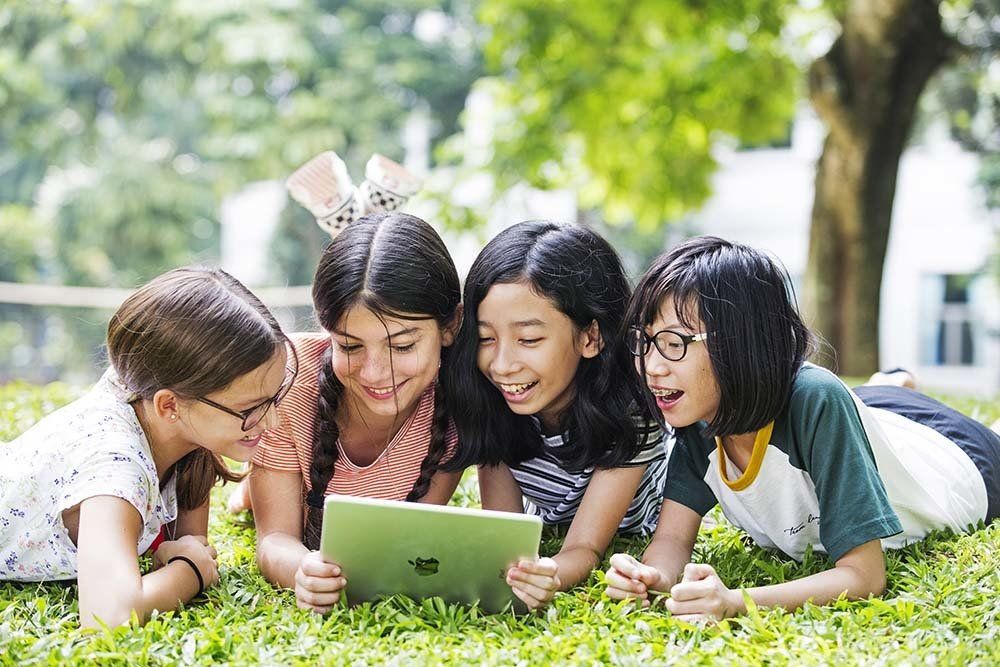
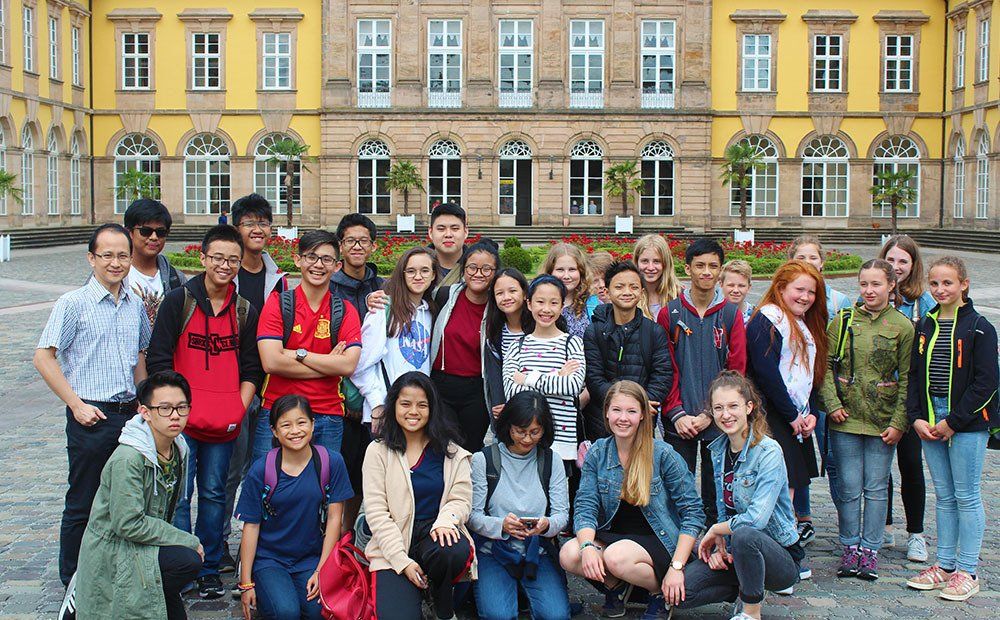
Another worry parents often voice: “If my child grows up with three languages, won’t that water down their identity?” The reality is the opposite. Language is one of the strongest tools children have to build confidence and a sense of belonging.
According to the Center on the Developing Child at Harvard University, language isn’t just a communication tool, it’s tightly linked to emotional development and social connection. When a child can speak the language of their home (supporting heritage language preservation), their school, and the wider world, they don’t lose identity, they gain multiple anchors. Instead of feeling caught between cultures, they feel at ease moving between them.
This shows up most clearly in confidence. A child who can greet grandparents in one language, joke with classmates in another, and learn science in a third develops an inner assurance: “I belong in all these spaces.” That’s powerful. Studies by Dr. Ellen Bialystok also highlight that children raised with multiple languages often score higher on measures of self-esteem and adaptability, because they can switch comfortably between different settings and expectations.
And here’s another myth-buster: being multilingual does not make kids shy or socially awkward. That's just a misconception some parents hold. In fact, research suggests the opposite. Because multilingual kids practice adjusting how they speak depending on who they’re talking to, they tend to develop sharper social skills and empathy earlier on. They learn that words aren’t just words, they carry cultural meaning, tone, and nuance. This develops genuine cross-cultural communication skills and greater cultural awareness.
At the end of the day, identity isn’t diluted by more languages; it’s enriched. Each language is another lens to see themselves and the world. And with that comes a deeper, quieter kind of confidence that carries into teenage years and beyond. This spirit helps them thrive in a truly inclusive learning environment where every culture is valued.
Daily Life in a Multilingual Classroom
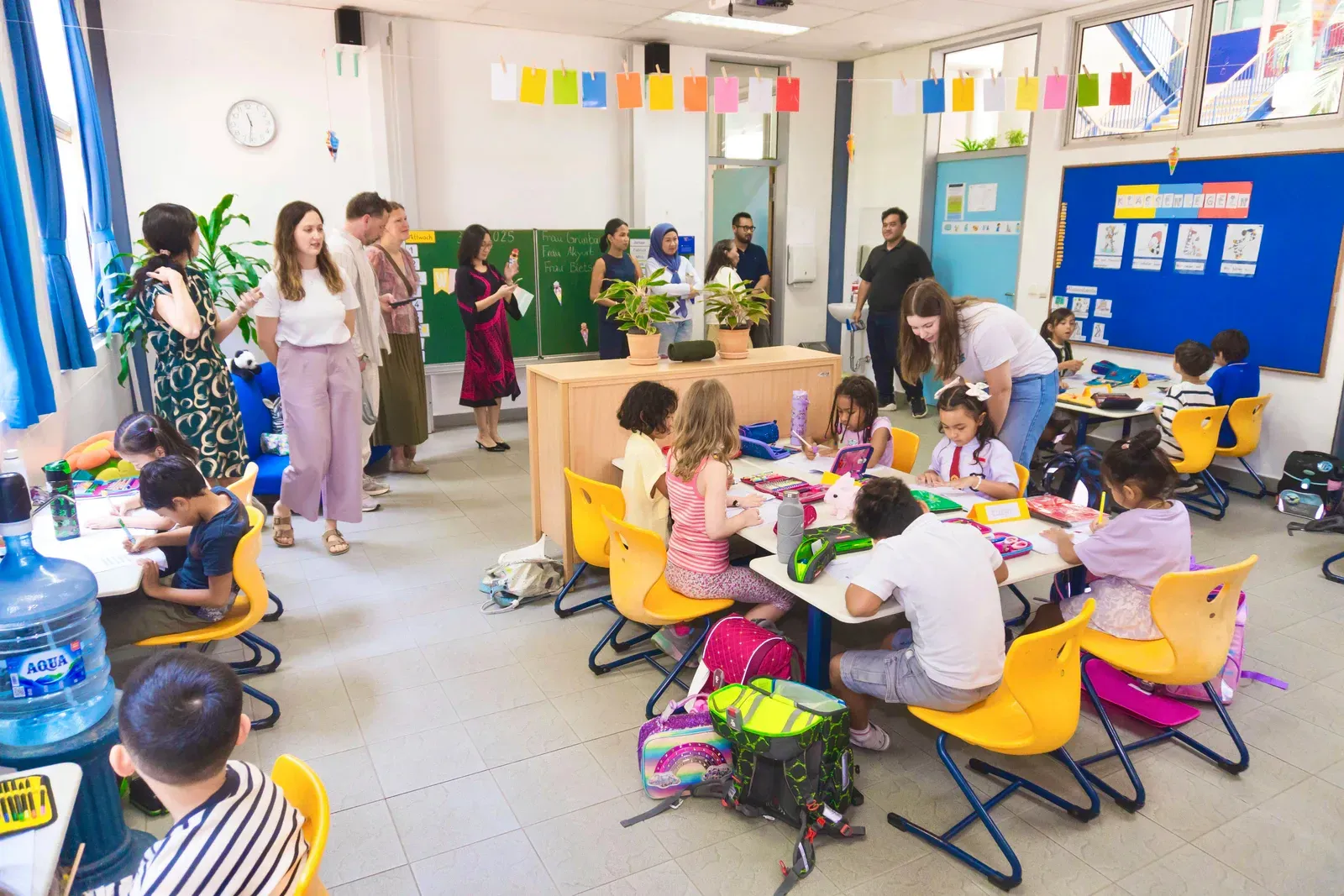
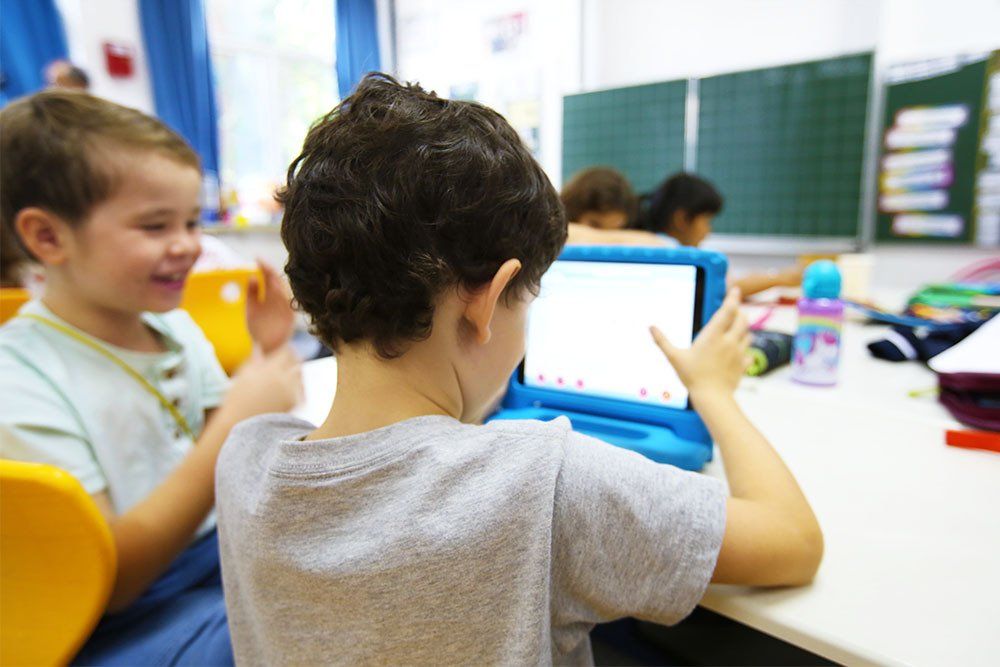
Picture this: it’s a Tuesday morning. The bell rings, and students gather on the carpet. Their teacher reads a picture book in English. The kids giggle at the funny voices, answering questions without hesitation. After recess, the math lesson switches gears into Bahasa Indonesia, with kids solving word problems on the board. By the afternoon, the classroom is buzzing in a third language as groups rehearse a short skit for music and drama.
For the children, this isn’t three lessons piled on top of each other. It feels natural, like shifting from running to climbing to cycling. Different muscles, same body. Parents sometimes worry: “Won’t my child get confused if the teacher uses different languages in one day?” But research shows the opposite. A study from the National Institute of Child Health and Human Development (NICHD) highlights that children in multilingual classrooms quickly learn to separate languages by context, speaker, and activity. It’s a skill they build intuitively, just like knowing they can whisper in the library but shout on the playground.
And while it looks seamless from the outside, their brains are working hard in the best possible way. According to the American Speech-Language-Hearing Association, switching between languages exercises executive function, the same system that helps with attention, self-control, and flexible problem-solving. That means multilingual classrooms are not only about learning words but about strengthening the “mental switchboard” that powers all kinds of learning.
So no, a trilingual school day doesn’t leave kids tangled in translation. It gives them structure, variety, and a mindset that can flex to fit whatever comes next. By the time they head home, they’ve done more than study subjects — they’ve practiced the art of adapting.

Long-Term Benefits Beyond Fluency
Brain Development that Keeps Evolving
The real power of trilingual learning isn’t just in what children know, it’s in how they use their brains. When kids move between three languages daily, they’re constantly making quick decisions, drawing connections, and adjusting to context. This strengthens:
- Mental agility — switching tasks and perspectives with ease
- Pattern recognition — seeing structure in language, math, and logic
- Learning endurance — staying curious even when things get complex
These aren’t just classroom skills. They’re life skills, the kind that shape confident students, empathetic peers, and future-ready adults. In short, trilingual education supports long-term cognitive development.
Academic and Career Access
Multilingual students often show stronger reading skills, sharper problem-solving, and more confidence when tackling unfamiliar subjects. In short, they learn how to learn, across systems, cultures, and contexts. Later in life, that flexibility becomes a clear advantage:
- Top universities and scholarships value global-minded applicants
- International employers seek people who can collaborate across languages and cultures
- Adaptability and communication skills often outweigh technical knowledge alone
For teens, these skills also make it easier to learn foreign language courses or pick up a new language if they choose study abroad programs. Many ask how to learn new language effectively. The truth is, once children have mastered three, picking up a fourth or fifth comes more naturally. In a future where borders are blurred and global thinking is the norm, being multilingual is no longer a bonus. It’s fast becoming the baseline for those who want to lead, connect, and grow — a cornerstone of global citizenship.
Cultural Agility in a Global World
Being trilingual isn’t just a language advantage, it’s a mindset shift. Children who move between languages daily don’t just learn about other cultures, they live them. Whether in the lunchroom, group projects, or friendships, they’re constantly practicing how to navigate differences with ease. Kids who grow up multilingual tend to:
- Adapt quickly — to new people, places, and rules without fear
- Stay calm in uncertainty — because ambiguity feels normal, not threatening
- Connect naturally across cultures — with curiosity and confidence, not hesitation
They don’t just “tolerate differences.” They thrive in them. And that agility becomes one of the most valuable lifelong skills they carry into adulthood.
How Schools in Jakarta Put it into Practice
Built for Multilingual Success — No Prior Knowledge Required
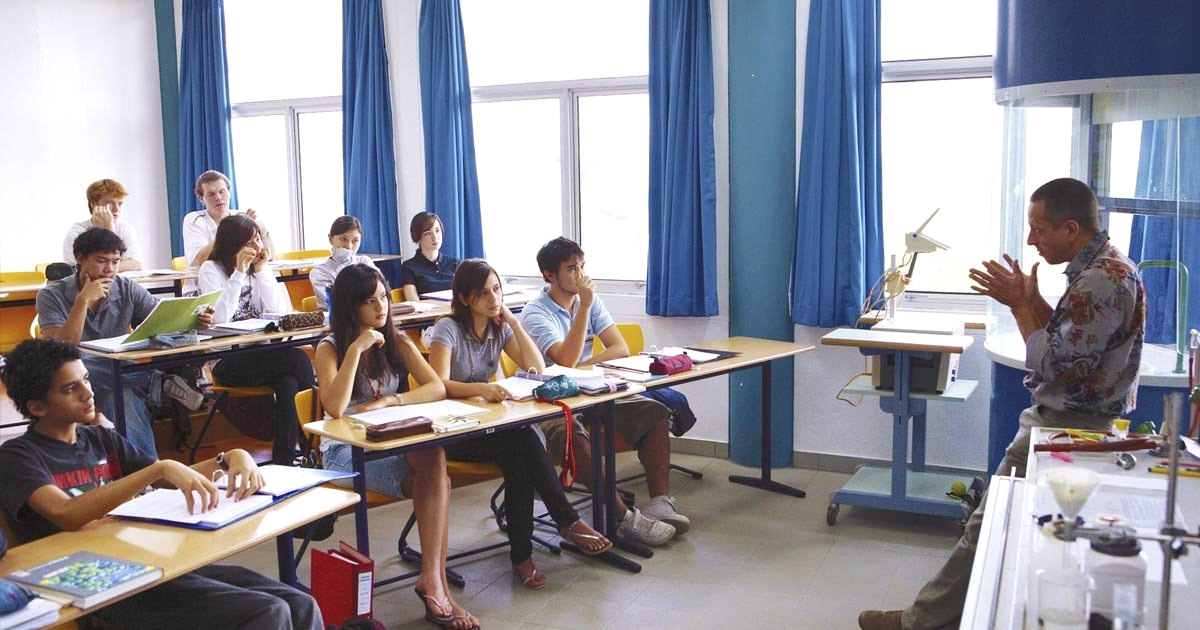
In Jakarta, most international schools and national-plus schools stop at bilingual education. It’s a solid foundation. But with the right approach, children can thrive in a trilingual environment, and that third language often becomes their greatest asset. Very few schools take this step. One of them is our school, the German School Jakarta (DSJ), with our International Program specifically designed for families who don’t speak German at home.
At DSJ, trilingual education is not left to chance. It’s built step by step through:
- One-Teacher-One-Language — Children instantly know which language to use in which context
- Proficiency-based grouping — Support for beginners, challenge for advanced learners
- Play and practice woven into daily routines — So language feels natural, not forced
“By Grade 5, most kids who arrived speechless in their second language learning (English) are now confidently leading class discussions in their third language, German.” says Carmelia Cajumban, Head of the International Program a DSJ.
So Why Learn German?
German isn’t just another subject, learning German is a gateway with many benefits. It’s the most widely spoken native language in Europe, the language of innovation and science, and the key to tuition-free access at many of the world’s top universities in Germany, Switzerland, and Austria. For families wondering how to learn german language, the best place to start is in a structured school setting where play, routine, and guidance make learn german language feel natural.
Why Indonesian Families Choose Us
Parents who join our International Program aren’t simply looking for prestige, they’re looking for a school that prepares their children for real life, not just exams. Here’s why they choose us:
- English and German for global opportunity, Bahasa Indonesia for local identity (students also get a chance to learn Indonesian language as part of preserving cultural roots)
- Children gain fluency in the languages that open international doors while staying grounded in their own culture and heritage
- A culture that builds global competence and soft skills
- We don’t just teach subjects, we foster independence, resilience, critical thinking, and cross-cultural confidence — skills that matter long after grades are forgotten
- A long tradition of excellence
- With qualified German teachers, rigorous German educational frameworks, and a curriculum compatible with international standards, DSJ offers a proven pathway to academic and personal success
Additionally, our approach is supported by clear language policy in schools and a commitment to language diversity in education, so every learner’s background is respected and used as a strength.
The Takeaway
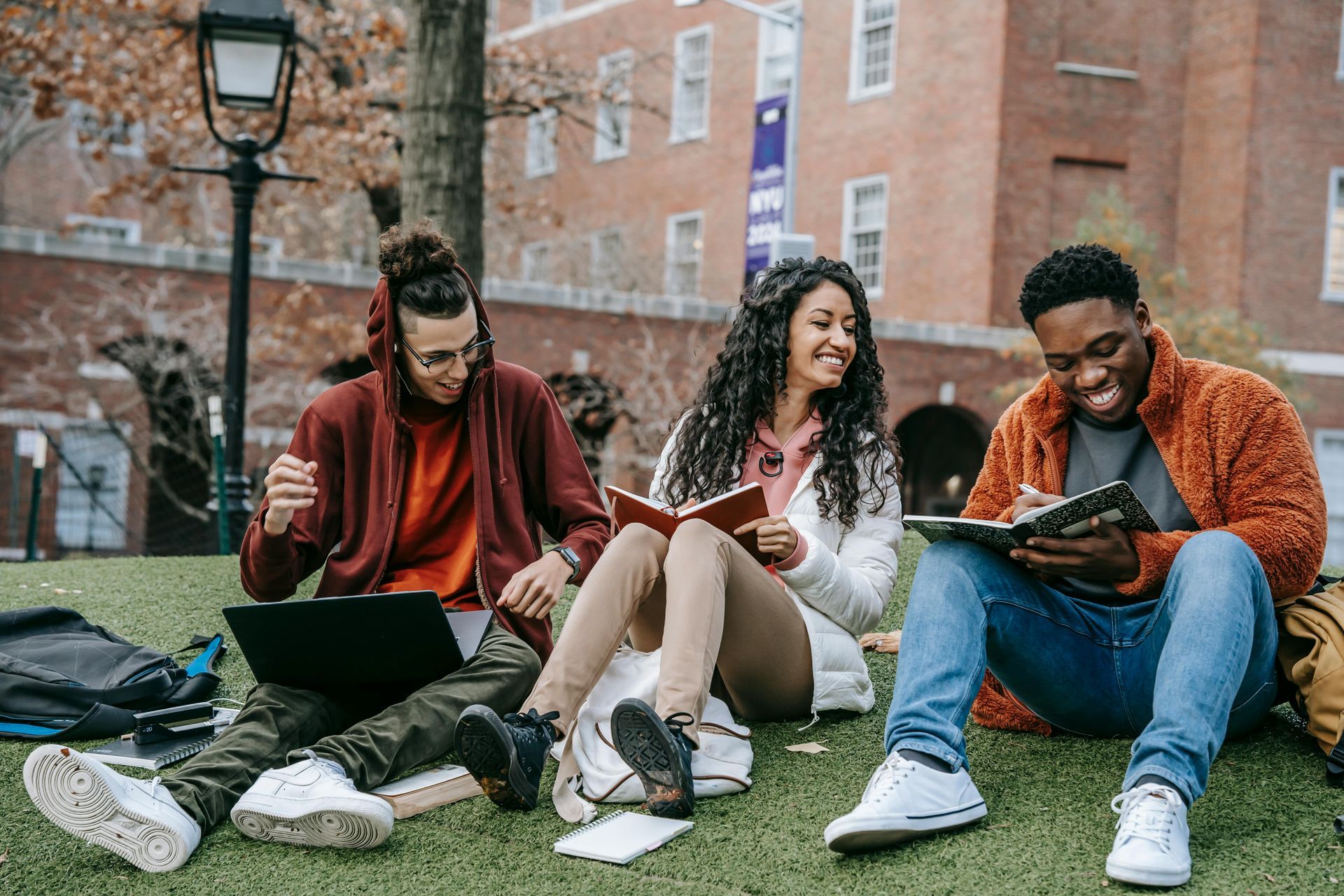
Trilingual education is not about adding pressure, it’s about unlocking potential. And in today’s world, where being bilingual is expected, giving your child three languages is giving them a lasting advantage in education, career, and their personal life.
Parent FAQ
Won’t three languages confuse my child?
Not at all. Young children are naturally wired to separate languages based on who’s speaking and what’s happening around them. They might mix words early on, that’s called code-switching, and it’s completely normal. It’s not confusion, it’s flexibility in action.
Isn’t three languages too much pressure?
Only if it's forced. But in the right setting, it’s exciting, not overwhelming. At DSJ, language is taught through structure, play, and daily use, not flashcards or memorization drills. Children learn naturally, with support every step of the way.
What if we don’t speak German at home?
That’s perfectly fine and more common than you think. In our International Program, most families come from Indonesian or English speaking homes. Our curriculum is designed to guide children from zero German, and many are confidently participating in class discussions by Grade 5.
Isn’t English enough?
In today's world, English is not only essential, but also expected. Adding a third language, especially one like German, gives your child a unique advantage. It opens doors to top universities in Europe, scholarships, and international career paths that value multilingual skills.
How many languages is too many?
There’s no hard limit, but there is the sweet spot, enough to stretch the brain and cultural awareness, without overwhelming the child. With a consistent system, it’s not just manageable, it becomes second nature.
Can older kids still join?
Yes, usually until Primary Grade 6. Our International Program includes onboarding support to help late-joiners adapt to the multilingual flow. Many of our current students didn’t start with German, but now speak it confidently alongside English and Bahasa.